
A few days ago, Shufujia soap was "detected" as a fluorescent agent, causing a heated discussion among netizens. Recently, a netizen from Anhui reported that after using Dove shower gel, he irradiated his legs with a fluorescent reagent test pen, resulting in a fluorescence reaction. However, when using other brands of shower gel, there was no fluorescence reaction.
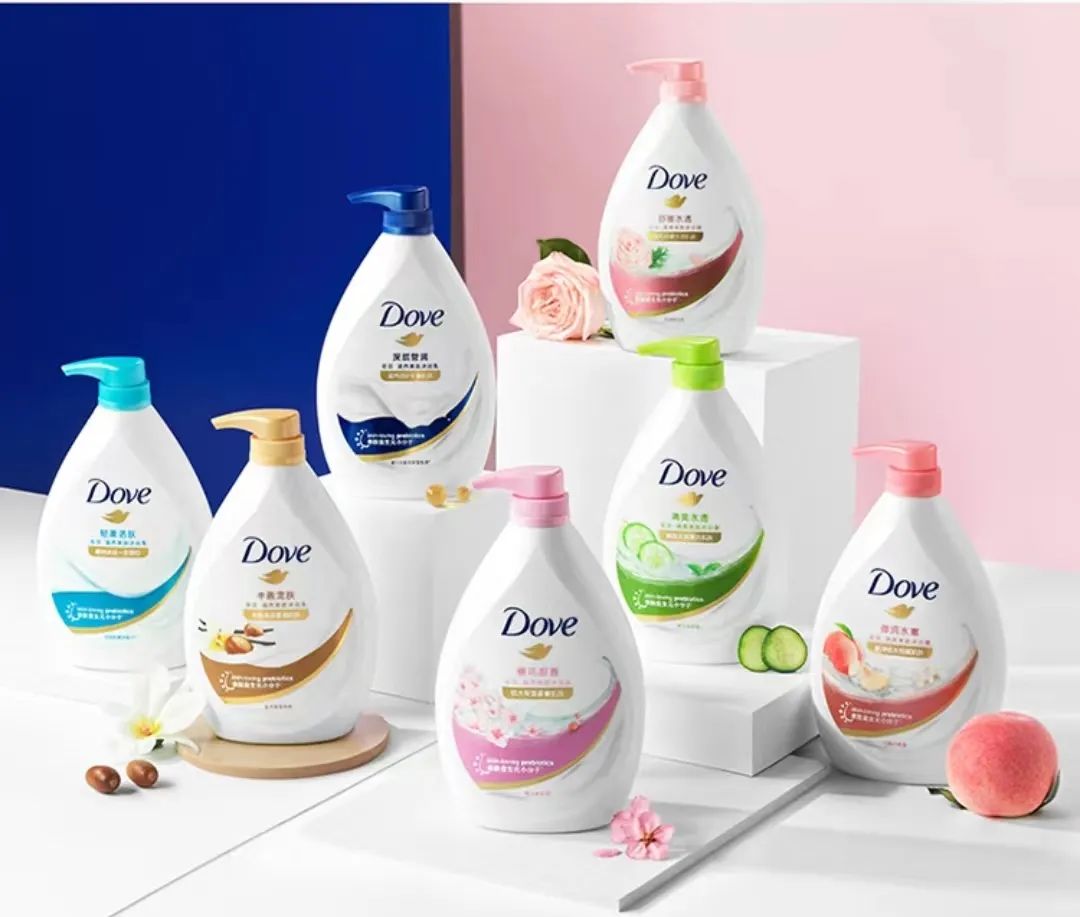
Netizens experience fluorescence reactions after using Dove shower gel
According to the netizen's description, after using a shower gel called "Dove Deep Moisturizing", she used a fluorescence detection pen to irradiate the area where it was applied to her legs, resulting in a fluorescence reaction. She also conducted comparative tests on two other Dove shower gels and found that only this one exhibited fluorescence reactions.
Subsequently, the netizen stated that when reporting the situation to Dove customer service, they were not clear about the situation and suggested that the netizen proceed with a return.
In addition, the netizen also stated in the comment section that he has an allergic constitution and developed itching in his arms and neck after using the shower gel.
Dove denies adding fluorescent agents to the product
In response to this matter, a reporter from Nanduwan Finance Society contacted customer service personnel from Dove Company. According to customer service personnel, according to relevant information, Dove Body Wash does not contain Optical brightener. The customer service personnel are not clear about the reasons for the phenomenon in online rumors. At present, Dove Fin has not received the notice of Product recall or official announcement, so it is unable to give relevant answers.
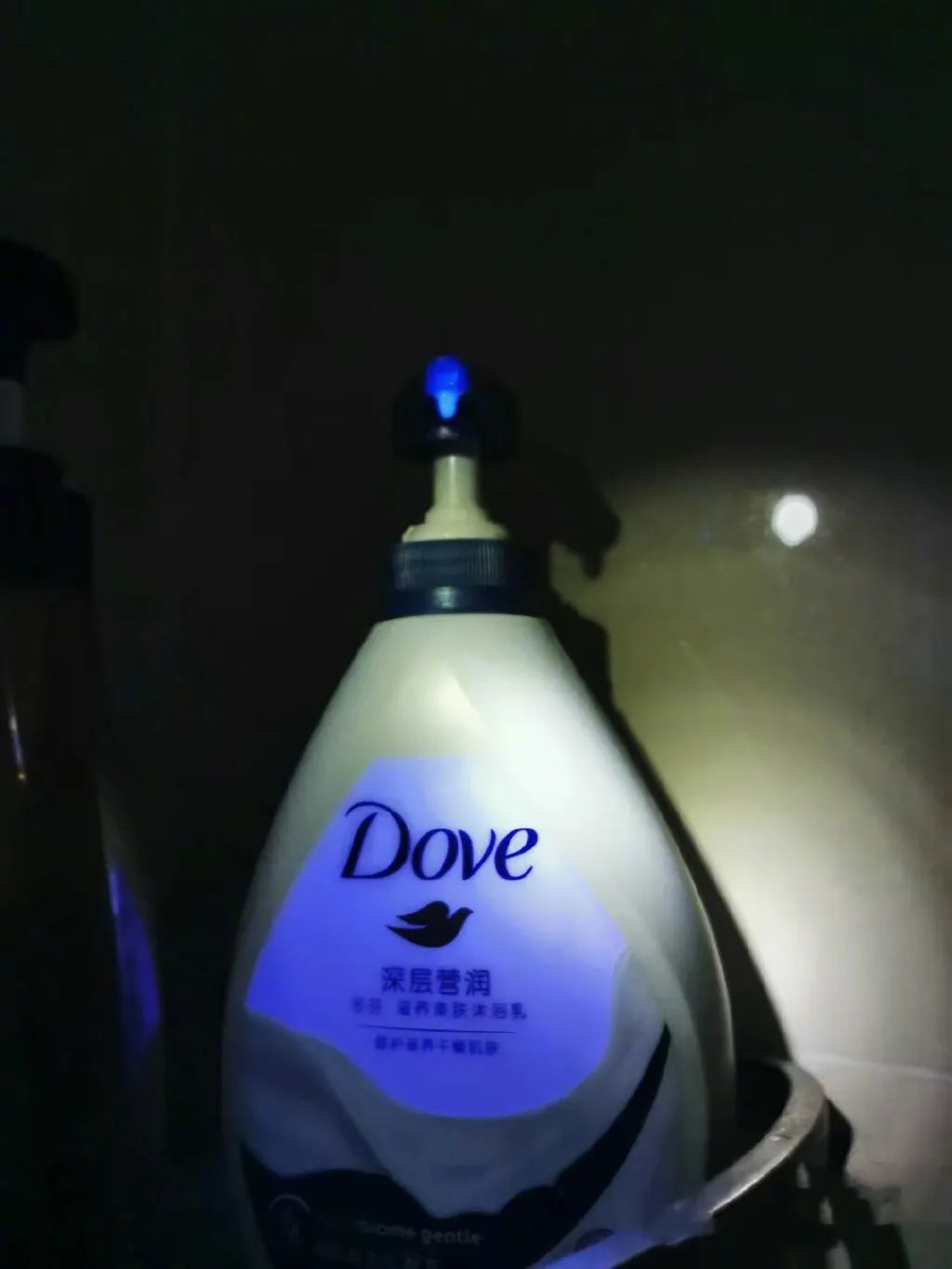
Previously, customer service personnel from Dove have also replied to the media that all raw materials and dosage of Dove products comply with national standards. The presence of blue light when illuminated with a fluorescent lamp does not directly indicate that it contains fluorescent agents.
Dove is a personal care brand under Unilever, providing consumers with a variety of shampoo products such as shower gel, soap, shampoo, conditioner, and facial cleanser with a simple and authentic beauty concept. It entered the Chinese market in 2010. Dove came to China and many celebrity products have become household names, becoming the choice of countless Chinese families.
Unilever's Dove: Strengthening the Trademark in Extension
In 1995, Unilever launched Dove Beauty Soap. By the mid-1980s, Dove had become the best-selling soap and was priced more expensive than regular soap.
The earliest attempt to expand the trademark of Dove began in 1965, when the trademark extended to the field of tableware cleaning agents. Although Dove's tableware cleaning agents were not phased out in the market, their effectiveness was disappointing. In terms of tableware cleaning agents, Dove's strongest competitor at the time was Palmolive Company, whose products promised to "care for your hands while you clean your tableware". Dove hopes to transfer their concept of "cleaning lotion" to tableware cleaner products through the extension of the trademark, so as to form a competitiveness against Palmolive Company.
In 1990, the patent right of Dove Beauty Soap expired. Its main competitor, Procter&Gamble, soon began to develop a Olay Soap containing moisturizing and moisturizing ingredients, which was launched to the market in 1993. A year later, P&G launched Olay Moisturizing Body Wash with the same nature, quickly occupying more than 25% of the market share of this high profit product. At this point, Dove's trademark management team realized that Dove was the most suitable product extension for moisturizing and moisturizing body wash. Unfortunately, they initially overlooked this and thus lost the opportunity to become a "leader" in this new product subcategory.
Later, Dove launched an anti-aging nutritional skincare shower gel, which contains antioxidants that can reduce skin aging characteristics. This product helped Dove compete with Procter&Gamble in the shower gel market. By continuously extending its strong trademark value and pursuing new technological innovation, Dove overcame the disadvantages caused by its late entry into the shower gel market. The emergence of Dolphin shower gel has had a significant impact on the business of Dolphin soap, resulting in a 30% increase in sales of Dolphin soap. After the launch of sub products in the shower gel field by Nutrium, it has greatly promoted the sales of Dolphin soap and strengthened the value of the main trademark.
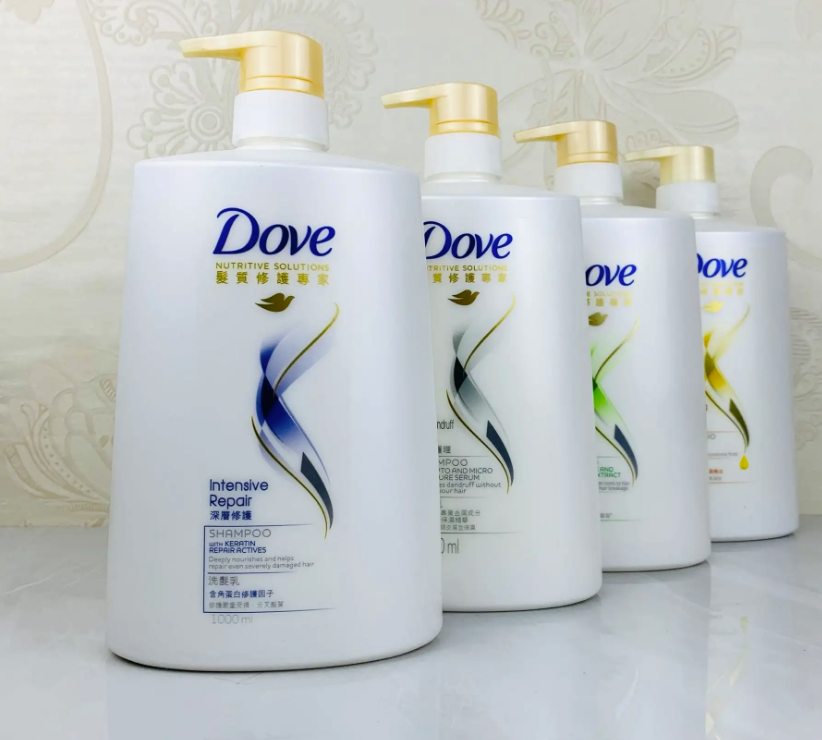
The next product to be extended by Dove's trademark is hair care products. Moisturizing and moisturizing is one of the two major functional deficiencies that hair care products have not achieved. Dove directly proposed the concept of "non weight increasing moisturizing products", which is different from similar products. The sales volume of this product became the first in the industry in Japan and Taiwan, and later entered the US market through large-scale market promotions in early 2003. Since then, Dove hair care products have become a part of the Dove series of products used by almost one-third of households in the United States.
To fully realize the value of a trademark, it is necessary to operate it well. In the long run, a comprehensive strategic layout of the trademark is more necessary, which is more conducive to the development of the enterprise and the promotion of the brand. It will also become an important way for enterprises to protect their rights.
What strategies are commonly used for trademark layout?
1. Single brand trademark strategy
The use of the same trademark for all products produced by a company is called a single trademark strategy. This trademark strategy has significant advantages in accumulating awareness and improving competitiveness in the early stages of entrepreneurship. Dove adopts a single brand trademark strategy, with soap, shower gel, shampoo, and other products all using the same brand.
2. Multi brand trademark strategy
Some companies will launch different series of products based on different market positioning and consumer groups. These products use different trademarks and enter the market at the same time. This use of trademarks is called a multi trademark strategy. The multi trademark strategy is divided based on different consumer groups and market positioning. Even if a certain brand goes wrong, it will not affect the recognition of other brands in the minds of consumers. Compared to a single trademark strategy, the multi trademark strategy is more flexible. A representative example is Procter&Gamble's multi brand strategy. For example, under the product of shampoo, there are soft and elegant products, Head&Shoulders products, Pan Ting products, and Sassoon products.
3. Defense trademark strategy
Defense trademark refers to the registration of the same trademark by the same trademark owner on non identical goods to prevent others from using famous trademarks. The purpose of applying for registration of this type of trademark is not for actual use, but to prevent others from registering and using it, which may have a negative impact on the enterprise.
4. Multi class trademark strategy
Trademark registration requires the selection of registration categories in accordance with the "Classification of Similar Goods and Services", which also determines the scope of trademark protection, that is, it is only protected in the registration category. We cannot prevent others from registering trademarks that are the same as ours in other categories. At this point, trademark registration requires multiple types of full protection.
At the beginning of brand establishment and before applying for a trademark, enterprises should clarify the specific types of goods and services for which their trademark is applied for registration, the types of promotional brands, and the geographical changes involved. Multiple types of registered trademarks should be used as much as possible to avoid being exploited by people with ulterior motives, in order to fully protect their own brand.
5. International Trademark Strategy
Trademark is an important and common intellectual property content, which is the carrier of a company's reputation, image, and brand, representing consumers' first impression of a company's brand. But trademark protection has regional characteristics. When a company develops to a certain scale and expands into the international market, it is found that someone has already registered and used the company's trademark abroad. Therefore, we cannot use the trademark abroad, which hinders the promotion of the company's brand in the market. Therefore, the international layout of the trademark is also very important.
Nowadays, the brand war is becoming increasingly fierce, and trademarks, as the most important part of brand intangible assets, are a powerful legal weapon to protect the brand. Enterprises should consciously choose their own trademark strategy for layout from the beginning of brand establishment. Of course, while paying attention to trademark layout, we also need to pay attention to product quality.
Note: The images and text are sourced from the internet. If you have any valuable suggestions, please feel free to contact us for updates and revisions!

One on one service for appointment experts
