
H&M announces the closure of Taikoo Li Sanlitun flagship store
Swedish Fast fashion brand H&M continued to adjust its layout strategy in China.
Interface fashion learned that H&M has begun to inform consumers that the flagship store in Taikouri, Taikoo Li Sanlitun, Beijing will officially stop operation on June 11, 2023. The store covers an area of over 1200 square meters and sells men's, women's, and children's clothing categories in a three story retail space. It is one of the largest stores opened by the brand in China.
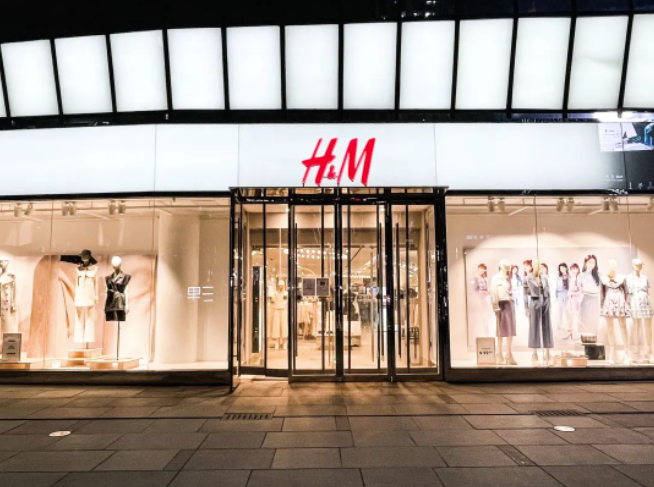
As the 200th store opened by H&M after it officially entered the Chinese market, Taikoo Li Sanlitun flagship store is of great significance to it. While the opening in 2014 was in the golden age of Fast fashion, Swire Properties was naturally willing to sign a 10-year contract to provide superior shops at the entrance and facing Workers Stadium North Road.
The whole Fast fashion industry is also changing with the trend and consumer preferences. H&M China PR team said to Interface Fashion that after the closure of Taikoo Li Sanlitun flagship store, it will continue to find suitable store locations in Beijing and other cities in China to open brand new flagship stores.
In recent years, the trend of closing stores has become increasingly fierce
In recent years, the trend of H&M closing stores in China has become increasingly fierce.
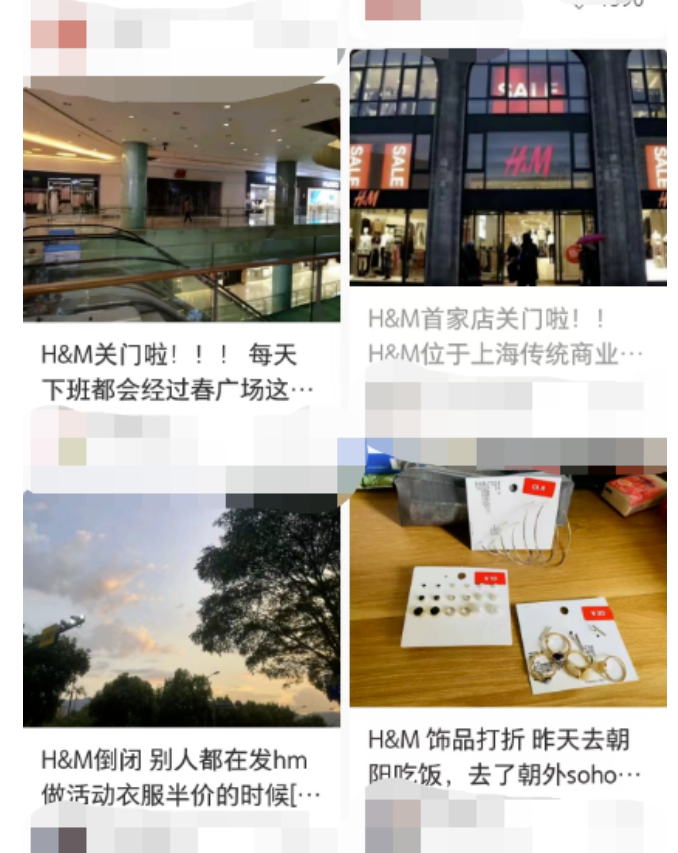
On June 24, 2022, the H&M store located at No. 651, Huaihai Road, Shanghai officially closed. It is the first store of H&M in the Chinese market. It was settled in 2006 and has been open for 16 years.
According to Times Finance, recently, a netizen discovered that the H&M Federation of Industry CC store by the West Lake in Hangzhou is about to close at the end of March. We are about to relocate and look forward to meeting you again. "A small red display board in the window of the most bustling Hubin commercial district in Hangzhou predicts the fate of this over 2200 square meter store closing soon.
As of March this year, H&M stores in Guangzhou Gaode Land, Zhengjia Square, and Baiyun Wanda have quietly withdrawn. In addition, the withdrawal of stores also involves multiple cities such as Qingdao, Zhuhai, Beijing, and Chongqing.
H&M Group has not announced the number of stores in Chinese Mainland in 2022, but according to third-party monitoring data, there were only 360 stores of H&M in China last year.
H&M stated that it will continue to rebuild and adjust its stores in 2023, with the group planning to open 100 new stores and close 200 stores annually, resulting in a net decrease of around 100 stores. Most newly opened stores will be located in growth markets, while closed stores will mainly be located in mature markets.
H&M, where disasters never come singly
According to Caijing on May 16th, H&M (i.e. Haines Morris (Shanghai) Commercial Co., Ltd.) was fined over 319000 yuan and confiscated illegal gains of over 160000 yuan by the Huangpu District Market Supervision and Administration Bureau for producing and selling substandard products.
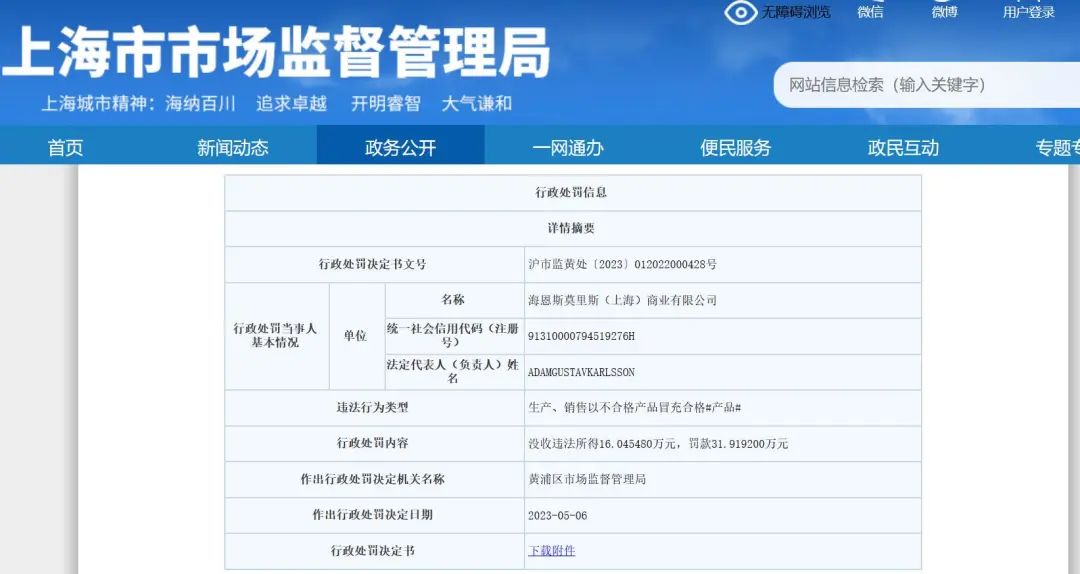
Screenshot of Shanghai Market Supervision Administration
According to the punishment reasons, from July to October 2022, the Huangpu District Market Supervision and Administration Bureau received several requests, and multiple products produced by the parties were randomly inspected by market supervision departments in multiple regions and found to be unqualified.
Not only is there a problem with product quality, but H&M is often plagued by plagiarism. For example, Unicolors claimed that H&M used fabric printed patterns that were extremely similar to Unicolors on two of their clothing (jackets and skirts), thereby constituting infringement; Graffiti artist REVOK sued H&M for infringement, claiming to have used their works without prior permission and demanding compensation from H&M; G-Star, a Dutch fashion brand founded in 1989, sued H&M for copyright infringement in 2011; Urban Textiles, a city based textile company in the United States, has filed a copyright infringement lawsuit against H&M, claiming that it indirectly infringed its copyright in "a fabric printed two-dimensional artwork"
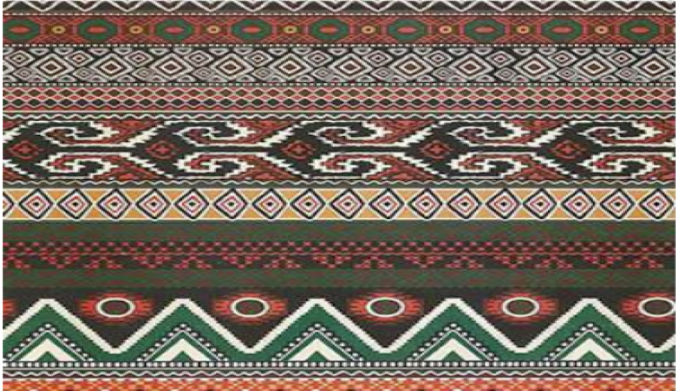
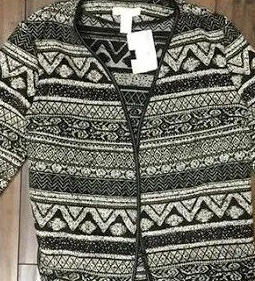
In addition, in 2009, Stretchline also accused H&M of patent infringement. Although H&M signed a patent infringement settlement agreement with Stretchline in 2011, patent disputes between the two parties continued to escalate.
How to deal with the frequent intellectual property disputes in the clothing industry?
Due to its high added value, short popularity period, and low cost of counterfeiting, intellectual property disputes and infringement incidents are common in the clothing industry. Many companies are often sued for unintentional infringement of other companies' intellectual property rights, such as trademark infringement, unauthorized use of well-known patterns, and plagiarism of other product designs.
Response measures:
1. When making clothing, it will definitely involve trademarks. Therefore, when registering a trademark, enterprises should first check whether there are any cases of malicious registration, and the legal advisor of the enterprise should promptly raise trademark objections. In addition, enterprises should do a good job in trademark layout, such as applying for trademarks in a timely manner for clothing brands, logos, and other elements.
2. Original design patterns should be registered for copyright: Original design patterns, patterns, etc. can be registered for copyright. Copyright protection has the advantages of short application cycles and strong protection of original designs, which can timely and effectively protect rights; Clothing design drawings can be protected by copyright law as product design drawings.
3. Apply for a patent for clothing design. Pay attention to the content of clothing appearance design protection, emphasizing appearance, referring to the artistic elements such as patterns, flower shapes, various clothing styles, and contour decorations that can be visually observed and annotated on the surface of the garment. If clothing has special features in terms of fabric, production technology, etc., invention/utility model patents can also be applied for.
At present, Chinese garment enterprises are not only thriving in the Chinese market, but more and more brands are gradually going out of the country and into the world, such as Li Ning, Bosideng, etc. Only by focusing on strengthening their own intellectual property protection can enterprises go further and longer.
Note: The images and text are sourced from the internet. If you have any valuable suggestions, please feel free to contact us for updates and revisions!

One on one service for appointment experts
