
In recent years, the new tea beverage market has grown rapidly, reaching a scale of hundreds of billions. The every move of some top brands often attracts the attention of countless people. Recently, Shanghai Auntie, a popular online milk tea brand that started in Shanghai, has once again made its mark on the hot search.
Adding "Hushang Uncle" to the Hushang Family
From 0 to 100 million yuan in financing, with over 4000 stores, and a sales volume of 200 million cups per year, Shanghai Auntie took inspiration from Shanghai Laolongtang's Shanghai style milk tea, blending grains and milk tea across borders, creating a new era of "freshly brewed grains tea" and becoming a "dark horse" in the tea beverage market.

In July 2013, Aunt Shanghai opened her first store in the Shanghai People's Square commercial district. On November 14, 2013, Shanghai Zhenjing Industrial Co., Ltd., the operating entity of Shanghai Auntie, applied for registration of multiple "Shanghai Auntie" trademarks in multiple categories. Among them, the trademark No. 13543073 "Shanghai Auntie" designated for use on milk tea and other products was approved for registration on January 21, 2015, and the trademark is valid until January 20, 2025.
In terms of trademark layout, "Shanghai Auntie" is highly valued and can be said to have created a moat. As a tea beverage brand, Shanghai Zhenjing Industrial Co., Ltd. currently owns over a thousand trademarks, including not only the full category of core trademarks, but also a series of defensive trademarks, including multiple trademarks such as "Shanghai grandmother", "Shanghai mother", "Shanghai niece", "Shanghai aunt", "Shanghai aunt", "Shanghai nephew", and "Shanghai relative".
It is reported that Shanghai Zhenjing Industrial Co., Ltd. has recently applied for the registration of multiple "Uncle Shanghai" trademarks, which are classified as Class 30, Class 32, Class 35, etc. internationally. The current trademark status is all under application.
The trademarks of "Uncle Hu Shang" and "Mother Hu Shang" were lost
Due to "piracy" and "counterfeiting", it is not uncommon for brands to be negatively affected. Enterprises continuously improve their trademark layout, which can strengthen the audience's impression of the brand and brand awareness, effectively resist infringement, and protect their intellectual property rights.
In fact, Aunt Shanghai has been involved in multiple judicial disputes in recent years, mostly related to trademark infringement disputes. Despite the strict awareness of trademark prevention, "Shanghai Auntie" was successfully registered with the "Shanghai Uncle" and "Shanghai Mama" trademarks due to a momentary oversight.

On August 21, 2020, natural persons Yang and Xu respectively applied for the registration of the "Hushang Mama" and "Hushang Uncle" trademarks, with "Hushang Mama" classified as Class 43 internationally and "Hushang Uncle" classified as Class 30 internationally.
Except for Aunt Shanghai, the internet famous milk tea brand Lujiao Lane failed to catch the high-speed growth of the tea industry due to spending one billion to crack down on 7000 fake stores; Xicha, due to its trademark being plagiarized by a group of counterfeit stores, ultimately abandoned the "Huangcha" logo. These cases remind brands of the necessity and importance of establishing a sound trademark protection mechanism.
What strategies are commonly used for trademark layout?
To fully realize the value of a trademark, it is necessary to operate it well. In the long run, a comprehensive strategic layout of the trademark is more necessary, which is more conducive to the development of the enterprise and the promotion of the brand. It will also become an important way for enterprises to protect their rights.
1. Single brand trademark strategy
All products produced by a company using the same trademark are called a single trademark strategy. This trademark strategy has great advantages in accumulating awareness and improving competitiveness in the early stages of entrepreneurship. For example, Colgate Company, whose products include toothpaste, toothbrushes, mouthwash, etc., also use the same brand of Colgate.
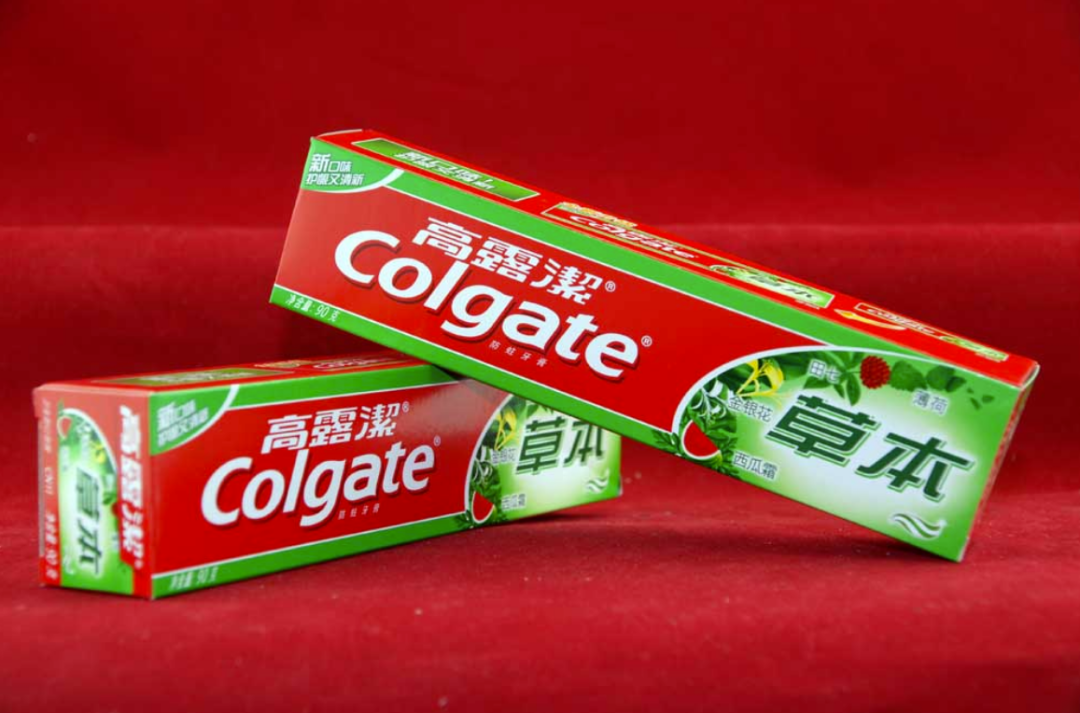
However, the single trademark strategy also has its advantages. When a brand forms an inherent impression in the minds of consumers and a company makes a new product that is significantly different from previous products, consumers may feel resistance.
2. Multi brand trademark strategy
Some companies will launch different series of products based on different market positioning and consumer groups. These products use different trademarks and enter the market at the same time. This use of trademarks is called a multi trademark strategy. The multi trademark strategy is divided based on different consumer groups and market positioning. Even if a certain brand goes wrong, it will not affect the recognition of other brands in the minds of consumers. Compared to a single trademark strategy, the multi trademark strategy is more flexible. A representative example is Procter&Gamble's multi brand strategy. For example, under the product of shampoo, there are soft and elegant products, Head&Shoulders products, Pan Ting products, and Sassoon products.

However, this approach also has drawbacks. Multiple trademarks mean more difficult management and promotion, and the cost of manpower and financial resources is also greater. Therefore, not all enterprises can achieve this.
3. Defense trademark strategy
Defense trademark refers to the registration of the same trademark by the same trademark owner on non identical goods to prevent others from using famous trademarks. The purpose of applying for registration of this type of trademark is not for actual use, but to prevent others from registering and using it, which may have a negative impact on the enterprise.
Registering trademarks such as "Shanghai grandmother", "Shanghai mother", "Shanghai niece", "Shanghai aunt", and "Shanghai aunt" is to prevent others from registering and using them, thereby causing adverse effects on the enterprise.
4. Multi Class Trademark Strategy
Trademark registration requires the selection of registration categories in accordance with the "Classification of Similar Goods and Services", which also determines the scope of trademark protection, that is, it is only protected in the registration category. We cannot prevent others from registering trademarks that are the same as ours in other categories. At this point, trademark registration requires multiple types of full protection.
At the beginning of brand establishment and before applying for a trademark, enterprises should clarify the specific types of goods and services for which their trademark is applied for registration, the types of promotional brands, and the geographical changes involved. Multiple types of registered trademarks should be used as much as possible to avoid being exploited by people with ulterior motives, in order to fully protect their own brand.
5. International Trademark Strategy
Trademark is an important and common intellectual property content, which is the carrier of a company's reputation, image, and brand, representing consumers' first impression of a company's brand. But trademark protection has regional characteristics. When a company develops to a certain scale and expands into the international market, it is found that someone has already registered and used the company's trademark abroad. Therefore, we cannot use the trademark abroad, which hinders the promotion of the company's brand in the market. Therefore, the international layout of the trademark is also very important.
Nowadays, the brand war is becoming increasingly fierce, and trademarks, as the most important part of brand intangible assets, are a powerful legal weapon to protect the brand. Enterprises should consciously choose their own trademark strategy for layout at the beginning of brand establishment, but regardless of which strategic direction or directions they choose, trademark registration should be carried out early.

One on one service for appointment experts
