
Intangible cultural heritage is a public resource. At present, there are still many gaps in the protection of intellectual property rights in intangible cultural heritage. The emerging acts of trademark registration affect the creative transformation and innovative development of intangible cultural heritage. There is still a long way to go to improve the amendment of relevant legislation.
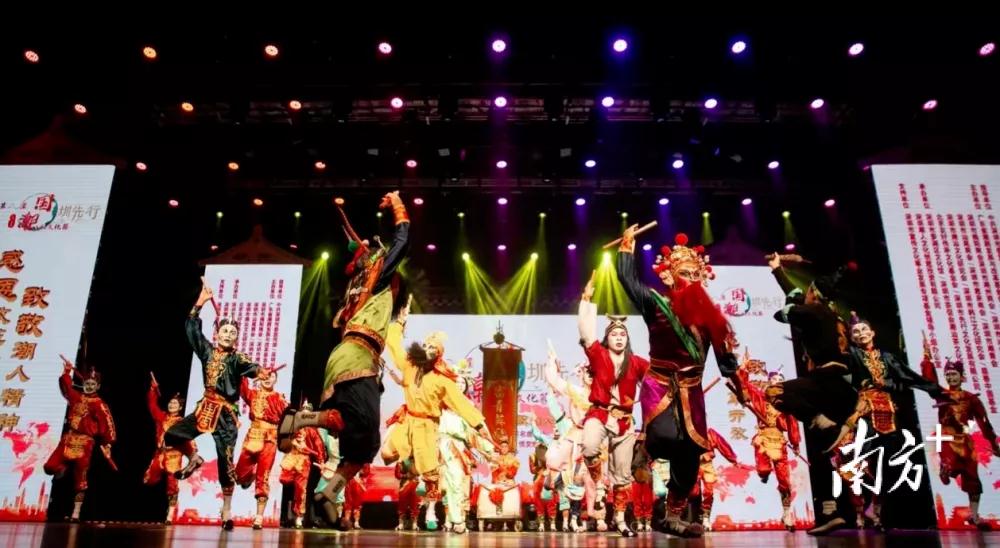
With the changes of the times, Chaoshan English song and dance came onto the stage from the square.
Not long ago, a "trademark defense war" on Yingge quietly came to an end: the Guangdong intangible cultural heritage legal aid lawyers group recently disclosed that the State Intellectual Property Office made a formal ruling on the application for invalidation of Yingge Yingge Trademark No. 16999507 last year upon the application of Li Junhao, a representative successor of Yingge at the municipal level, Declare the trademark of "Yingge Yingge" registered by Zheng Moumou, Shantou City, Guangdong Province invalid.
In recent years, with more and more intangible cultural heritage resources being developed and entering the market, the intellectual property disputes surrounding intangible cultural heritage have become more and more prominent.
At the end of 2021, the outline for building a strong intellectual property country and the annual promotion plan for the implementation of the 14th five year plan issued by the inter ministerial Joint Conference Office for the implementation of the intellectual property strategy of the State Council put the study of the intellectual property protection system related to intangible cultural heritage on the agenda.
"With the upsurge of" mass entrepreneurship and innovation ", the disputes related to intangible cultural heritage intellectual property rights will become more and more intense." Deng Yao, head of Guangdong intangible cultural heritage legal aid lawyer group and intangible cultural heritage protection expert, believes that intangible cultural heritage is a public resource. At present, there are still many gaps in intellectual property protection. The emerging acts of trademark registration affect the creative transformation and innovative development of intangible cultural heritage. There is still a long way to go to improve the amendment of relevant legislation.
Rub over 250 trademarks of intangible cultural heritage fever and rob "Yingge"
"Ansai waist drum in the north and Puning Yingge in the south." Among the people of Puning in Jieyang, the English song, which integrates dance, Nanquan routine and opera performance skills, has always been regarded as a symbol of promoting good and suppressing evil, good luck and peace, and has been popular for more than 300 years. In 2006, Yingge was approved by the State Council to be included in the first batch of national intangible cultural heritage list.
With the promotion of the short video platform, the majestic Puning English song has frequently appeared on the hot search. After becoming a "new online celebrity", the potential business opportunities of English song culture are stimulated. According to the investigation of Guangdong intangible cultural heritage legal aid lawyers, it is common for Yingge to be registered as a trademark by individuals or units.
The reporter found in the China Trademark network of the Trademark Office of the State Intellectual Property Office that as of the press date, there were more than 250 trademark names containing the word "Yingge", including 34 trademark registration applications with the same name as "Yingge", and many registration applications in the name of "Yingge dance".
The registration of these "Yingge" trademarks is related to the increase of the popularity of intangible cultural heritage. Taking advantage of the two sessions of "Puning Yingge Culture Festival" and the selection of Liusha West Street Road in Puning City as the "hometown of Chinese folk culture and art" in 2018-2020, the trademark registration application of "Yingge" also set off two small upsurge in 2013 and 2019 respectively.
Deng Yao introduced that the above trademark application covers many categories of goods to services, including catering, clothing, science and technology, trade performance, education, etc. Among them, the trademark "Yingge Yingge", No. 16999507, approved for registration on July 21, 2016, attracted the attention of the legal aid lawyers group of intangible cultural heritage.
The trademark is classified as category 41 and can be used in text publishing, performance organization, gymnastics training and other services. "The name of the disputed trademark is exactly the same as that of the national intangible cultural heritage list, which means that if any other person or unit uses the word" Yingge "to engage in relevant services without the permission of the trademark owner, it may be suspected of infringing its exclusive right to use the trademark." He said.
In February last year, Li Junhao formally filed a request for invalidation of the disputed trademark, and the Guangdong intangible cultural heritage legal aid lawyer group also helped him. After seven months of careful evidence collection and legal research, the State Intellectual Property Office finally ruled on the "invalidation" of the disputed trademark.
Item 1, paragraph 1, Article 11 of the Trademark Law of the people's Republic of China stipulates that the mark "only the general name, graphics and model of the commodity" shall not be registered as a trademark. The ruling shows that the trademark "Yingge Yingge" has constituted the above situation. It is noteworthy that the ruling also found that "Yingge" as a trademark is exclusively registered and used by the respondent, which is not conducive to the protection and inheritance of Yingge and is easy to have a negative and negative impact on China's culture and other social and public interests. Up to now, the case has not received the notice and materials for the respondent to file a lawsuit against the ruling.
Today, China Trademark network still shows that there are more than 20 successfully registered trademarks of the same name. "We are not sure whether all of these trademarks should not be registered." Deng Yao said.
The above figures are only an objective reflection of the upsurge of intangible cultural heritage trademark registration. How to identify and deal with these trademarks remains to be further studied and discussed by all sectors of society. At the same time, we should also realize that the gap of intellectual property rights in intangible cultural heritage protection needs to be filled with joint efforts!
Note: the picture and text are from the network. If you have any questions, please feel free to contact us for deletion

One on one service for appointment experts
